Trekking in Nepal: Everything You Need to Know
Nepal is one of the most popular trekking destinations in the world, and every year, thousands of people come to trek here.
The country has trekking options for all physical abilities and trip types, from a short hike to a peaceful high-altitude village stay to a challenging trek in the Himalayas.
Nepal is renowned for its stunning natural scenery, including eight of the world's fourteen mountains exceeding 8,000 meters, such as the world's highest peak, Mount Everest, its rich cultural heritage, and the variety of its ecosystems.
Each trek has its own distinct charm, ranging from snowcapped mountains, ancient monasteries, rhododendron forests, glacial valleys to the warm hospitality of the mountain communities.
This is a comprehensive guide for trekking that will help you determine the best trekking routes, popular destinations, permits required, what to expect and how much it will cost you, what to pack for a trekking holiday, the best trekking seasons, and important trekking advice.
This guide will help you determine what type of trek is best suited for you while visiting Nepal, or any of the Himalayas, for the first or next time.
From easy day hikes to the challenging Everest Base Camp trek, there's certainly something for everyone here. Throughout this guide, we'll cover everything you need to know about trekking in Nepal.
Trekking in Nepal at a Glance
If you're planning your first trekking adventure in Nepal, here's a quick overview of the essential information.
| Trek Information | Details |
| Best Trekking Seasons | Spring (March–May) & Autumn (September–November) |
| Difficulty Levels | Easy to Challenging |
| Trek Duration | 3–21 Days |
| Most Popular Trek | Everest Base Camp (5,364 m) |
| Accommodation | Teahouses, Lodges & Mountain Guesthouses |
| Daily Walking Hours | 5–7 Hours |
| Suitable For | Beginners to Experienced Trekkers |
| Major Trekking Regions | Annapurna, Everest, Langtang, Manaslu & Mustang |
| Permits Required | Depending on the trekking region |
| Best Starting Cities | Kathmandu & Pokhara |
Choose a trek based on your fitness level, available time, and travel interests rather than simply selecting the highest altitude .
Nepal: A Trekker's Paradise
Nepal is home to eight of the world's fourteen tallest mountains, including Mount Everest. Consequently, it draws trekkers from all over the globe. The Himalayas form the heart of this amazing destination, with perhaps some of the most beautiful landscapes you'll ever see.
Nevertheless, Nepal isn't just about mountains. Furthermore, it also has rich and diverse cultures with many ethnic groups, languages, and traditions. While trekking, you'll undoubtedly have the chance to visit remote villages and experience ancient ways of life. Therefore, both new and seasoned hikers will enjoy Nepal's mix of challenging trails and pretty valleys.
Why Choose Nepal for Trekking?
Nepal is rightly considered the world's trekking hub. The nation has numerous hiking trails, ranging from the majestic mountains to the genuine cultural experiences.
Over the course of these few days, you will cross terraced farmland, dense forests, alpine meadows, glacial valleys, and remote mountain villages with spectacular views of some of the world's highest peaks.
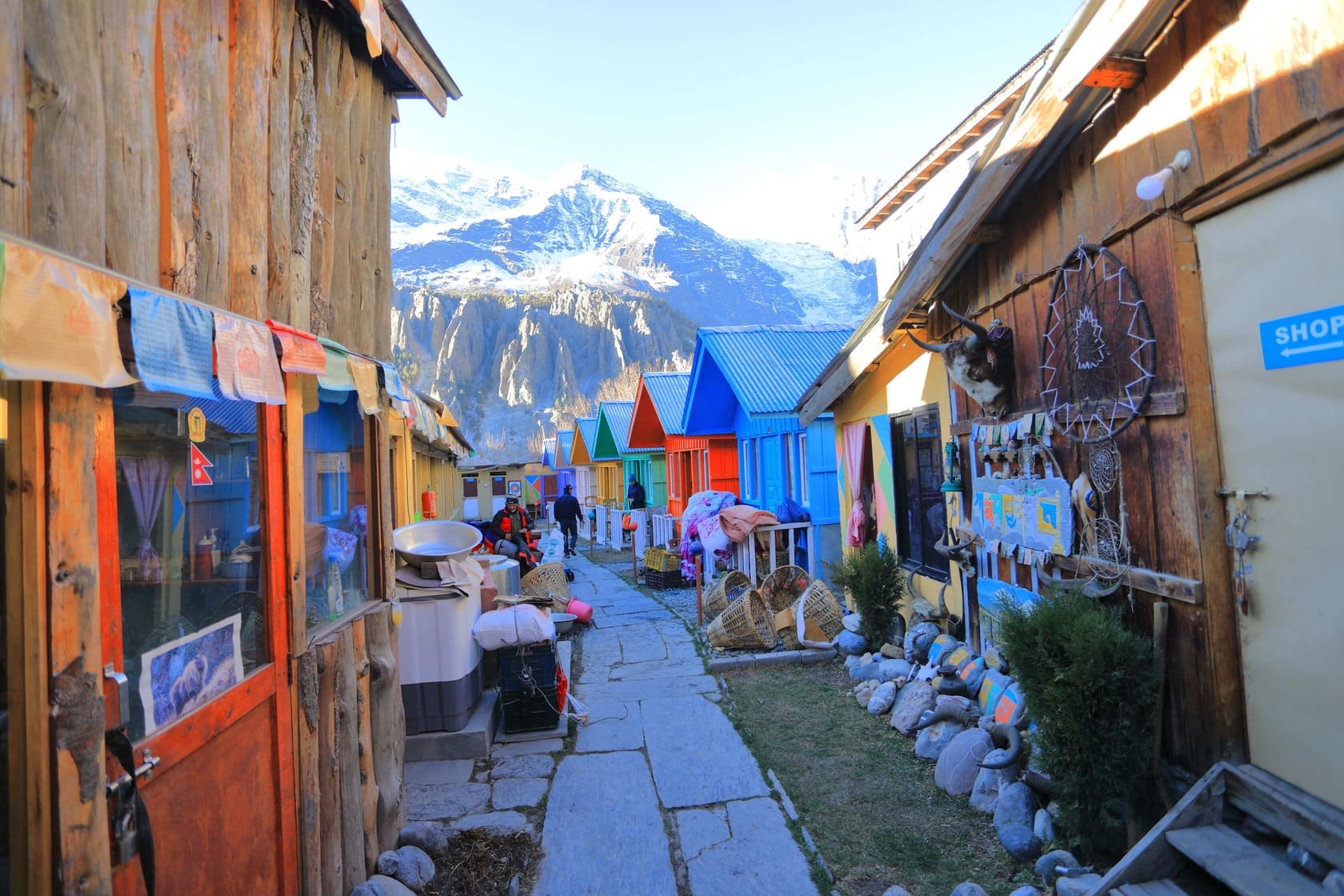
Nepal is fortunate to have a teahouse trekking system, unlike many mountain destinations. Along the popular trekking routes, there are comfortable family-run lodges that will allow you to enjoy the Himalayas without having to carry all the weight of heavy camping equipment.
One of the best things about trekking in Nepal is learning about the culture of the locals, like the Sherpa, Gurung, Tamang, Magar and Thakali people.
They are very hospitable, have a different kind of culture and lifestyle which is unique, which adds an extra dimension to each trekking experience.
Trekking is something that can be done by anyone, from a day hike to a multi-week-long expedition, and there are trekking trails in Nepal for everyone.
The Best Treks in Nepal
There are many trekking routes in Nepal. Hence, here are some of the best ones to think about:
Annapurna Circuit Trek
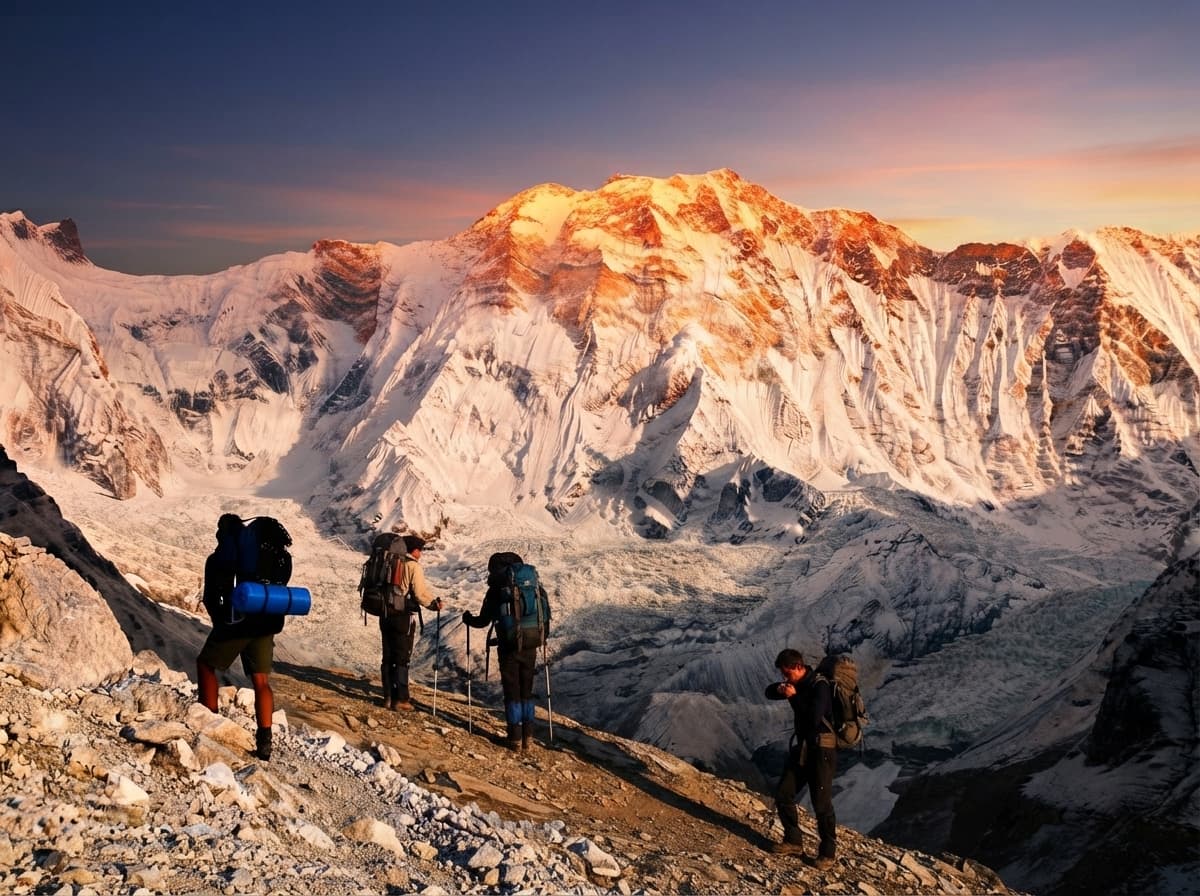
The Annapurna Base Camp Trek is one of the most popular treks in Nepal, offering stunning views of the mountains and a chance to experience the rich culture of the region.
The hike leads you into the heart of traditional Gurung villages, rhododendron forests, waterfalls, and alpine scenery, ending at Annapurna Base Camp (4,130m).
This is a wonderful trek for those who are new to trekking or advanced trekkers seeking a worthwhile trek in the Himalayas.
- Best for: First-time Himalayan trekkers
- Duration: 10–14 Days
- Difficulty: Moderate
Everest Base Camp Trek
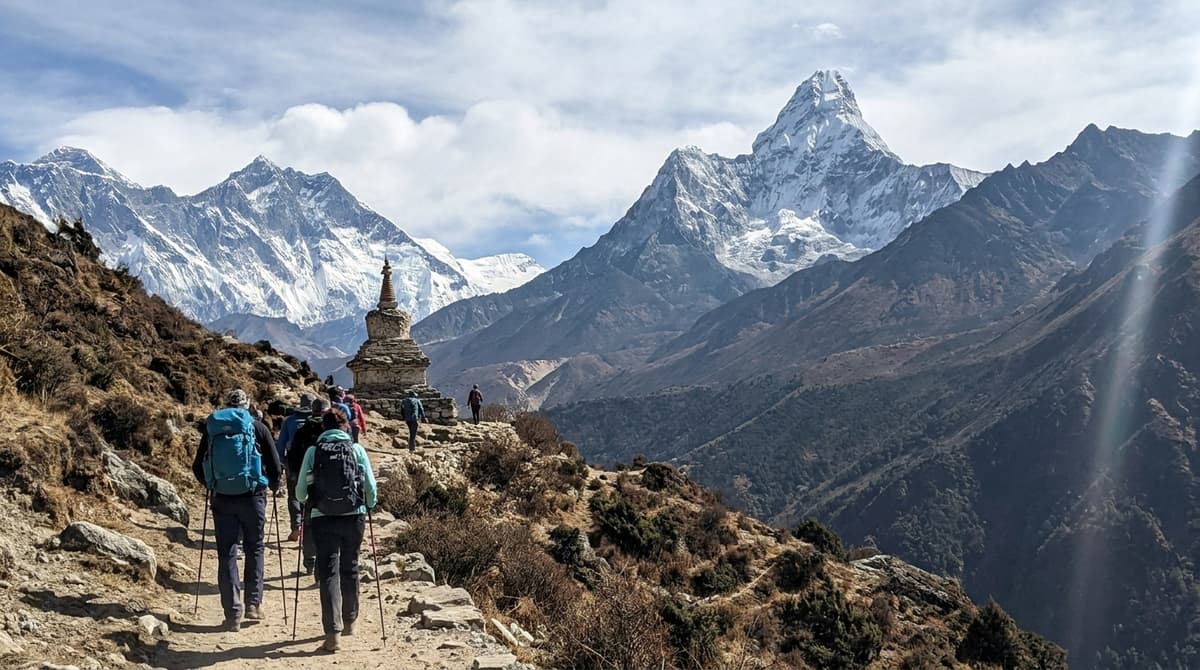
The Everest Base Camp Trek is the most popular trekking route in Nepal, which leads to the base of the world's highest peak.
On the way, you will visit Sherpa villages, old monasteries, suspension bridges, and spectacular landscapes of the Himalayas before arriving at Everest Base Camp at 5,364m.
- Best for: Adventure seekers
- Duration: 12–15 Days
- Difficulty: Moderate to Challenging
Ghorepani Poon Hill Trek
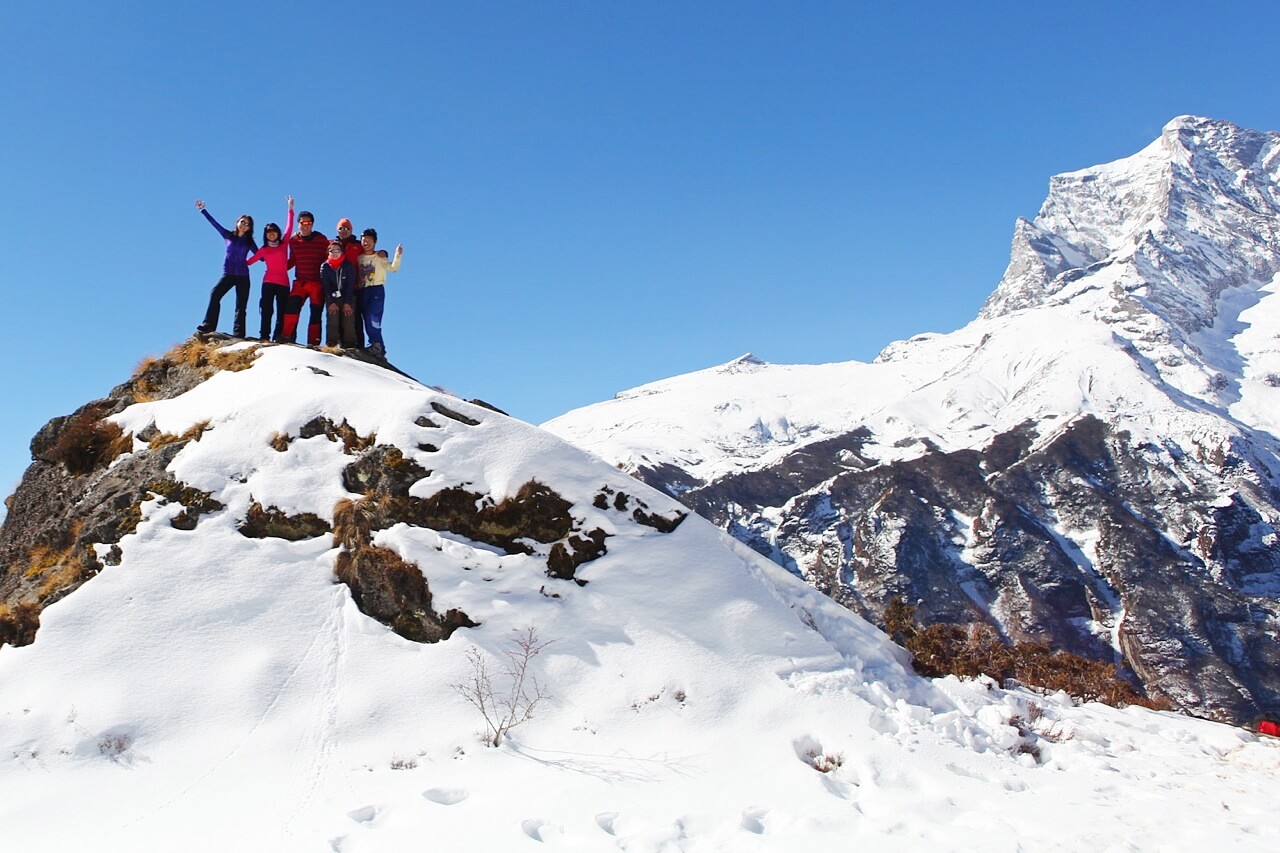
Ghorepani Poon Hill Trek is one of the best short trekking journeys in Nepal with a wonderful sunrise and sunset panorama of the Himalayan ranges of Annapurna and Dhaulagiri.
A perfect choice for novices, families, and tourists with limited time who still wish to enjoy the beauty of the Himalayas.
- Best for: Beginners and families
- Duration: 8–10 Days
- Difficulty: Easy to Moderate
Manaslu Circuit Trek
The Manaslu Circuit Trek is a more serene and less touristy option that promises high drama in the mountains, authentic Himalayan villages, and the challenging Larkya Pass.
This trek is ideal for seasoned trekkers seeking an adventure off the beaten path in Nepal.
- Best for: Experienced trekkers
- Duration: 14–18 Days
- Difficulty: Challenging
Langtang Trek
Near the Tibetan border, the Langtang Valley trek is known for its peaceful beauty. Additionally, it's close to the Langtang Range, with great views and rich culture.
Muktinath Trek
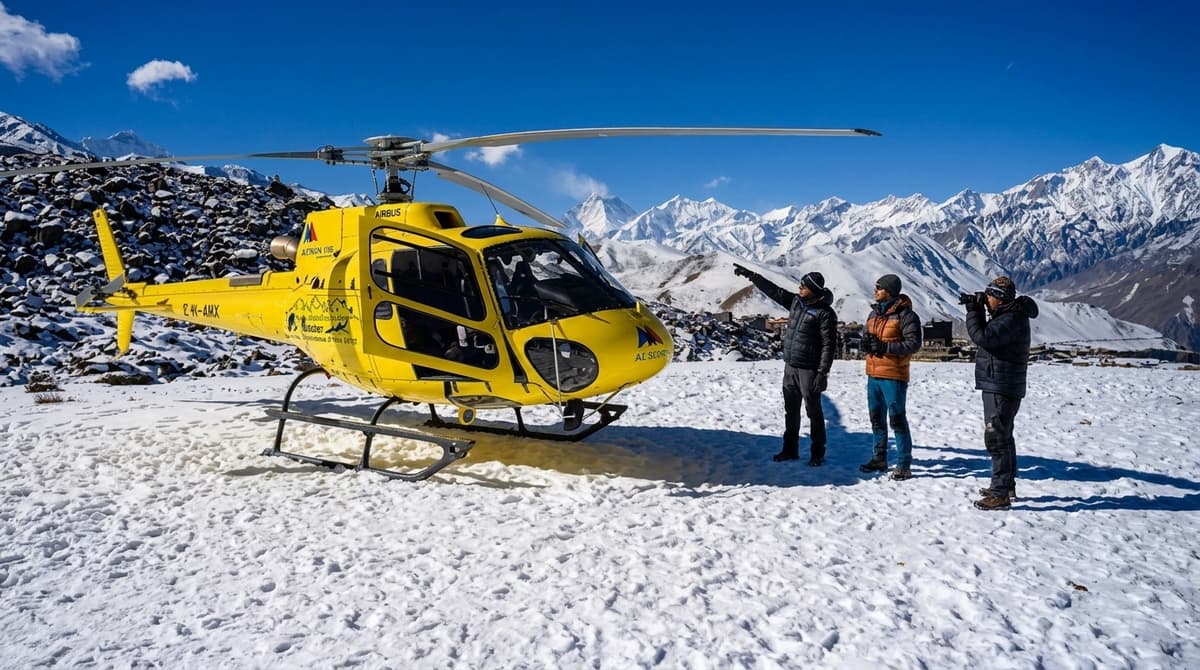
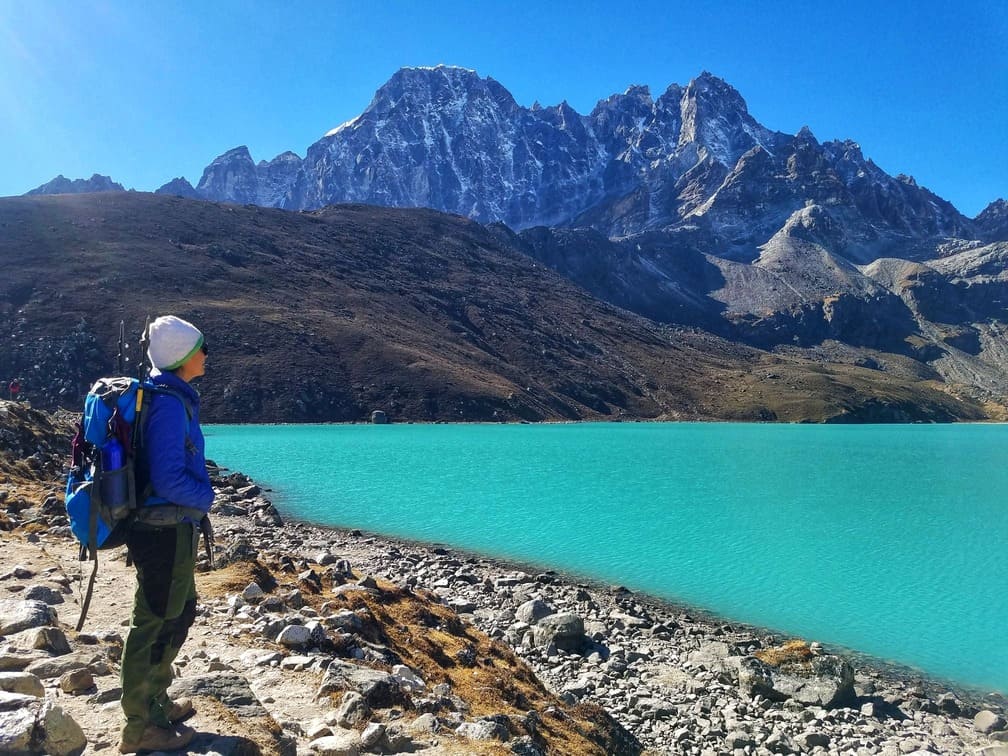
Jomsom Muktinath Trek takes you through the Himalayas to the sacred Muktinath Temple, along with stunning landscapes and cultural experiences.
Tilicho Lake Trek
This can be combined with the Annapurna Circuit. Subsequently, it leads to Tilicho Lake, one of the world's highest lakes, with crystal-clear waters surrounded by tall peaks.
Nepal's Top Trekking Destinations
Nepal has some world-renowned regions for trekking, each with its own distinct landscapes, culture, and trekking experience.
From the heights of Mount Everest to the depths of the Annapurna Valley, from the peaks to the valleys of the Himalayas, there's a place that suits your interests and experience level.
Annapurna Region
The Annapurna Region is one of these popular trekking regions in Nepal with rich topography, good trekking facilities, and amazing mountain views. From brief, scenic walks to longer treks, there is something for every trekker's taste through the high mountain passes.
It is a good choice for adventure trekking, such as Annapurna Base Camp Trek, Mardi Himal Trek, Ghorepani Poon Hill Trek, and Ghandaurk Trek, which are popular among trekkers.
Everest Region
Everest Region is one of the most iconic trekking areas in the world. Apart from the iconic route to the summit of Everest, the area offers scenic Sherpa villages, historic monasteries, glaciers, and high vantage points for a sweeping view of the Himalayas.
Trekkers looking for a more adventurous itinerary can combine Everest Base Camp with the beautiful Gokyo Valley for an even richer experience.
Langtang Region
The Langtang Region is situated north of Kathmandu close to the border of the Tibetan Plateau, offering peaceful and serene trekking opportunities, charming traditional Tamang villages, alpine meadows, and scenic mountains.
It is a good option for those who want to get away from tourists on their hikes.
Manaslu Region
The Manaslu Region is a remote high mountain area with dramatic scenery, real mountain villages, and not as many trekkers as the more popular routes in Nepal. It is suited for people who are seeking a difficult hike with great scenery.
Mustang Region
Mustang is renowned for its dramatic landscape, Tibetan influence, ancient monasteries and centuries-old cave settlements.
Mustang is not as wet as many other trekking areas in Nepal, and enjoys quite favorable weather conditions in the monsoon.
The Jomsom Muktinath Trek is one of the most popular treks in the area, offering a blend of scenic beauty and cultural and spiritual experiences.
Which Trekking Region is Right for You?
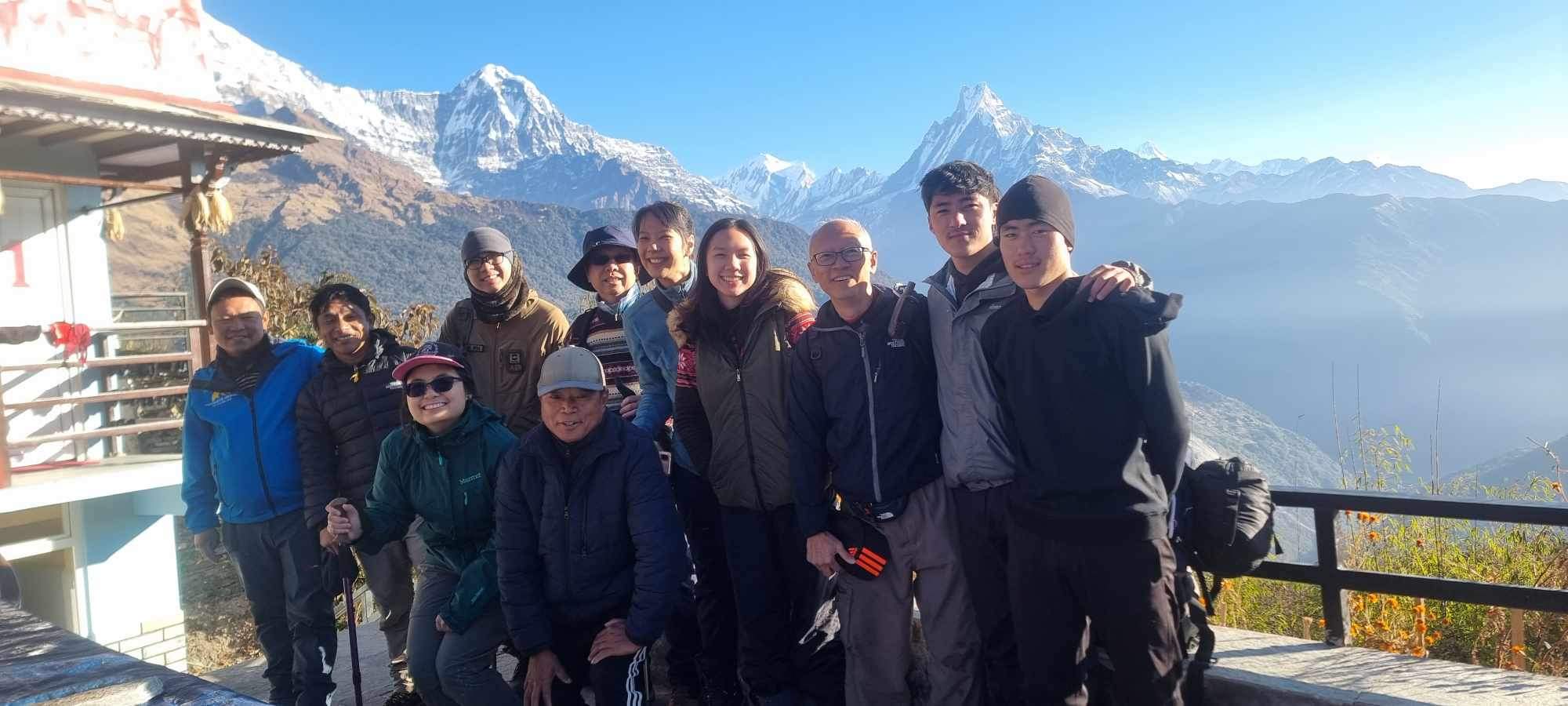
When selecting a trek destination, you should consider your fitness, time, and your preferences.
Some trekkers want to reach the base of the tallest mountains in the world, and some want to enjoy a peaceful time along the forest trails or get to know the culture of the far-off villages in the Himalayas.
| Region | Best For | Difficulty |
| Annapurna | First-time trekkers & diverse landscapes | Moderate |
| Everest | Iconic Himalayan adventure | Moderate to Challenging |
| Langtang | Shorter and quieter treks | Moderate |
| Manaslu | Remote trekking experience | Challenging |
| Mustang | Culture and unique landscapes | Moderate |
If you're visiting Nepal for the first time, the Annapurna Region is often the best choice because it combines mountain scenery, comfortable teahouses, cultural villages, and relatively accessible trekking routes.
Best Trek in Nepal Based on Your Experience
Trekking routes are not all suitable for all travellers. You’ll have a safer, more enjoyable trip if you pick a trek that fits your experience and fitness level.
Best Treks for Beginners
If you're new to trekking in Nepal, consider these routes:
- Ghorepani Poon Hill Trek
- Mardi Himal Trek
- Annapurna Base Camp Trek
- Chisapani Nagarkot Trek
These treks feature well-established trails, comfortable teahouse accommodation, and manageable daily walking distances.
Best Treks for Experienced Trekkers
Experienced hikers looking for longer and more challenging adventures may enjoy:
- Everest Base Camp Trek
- Manaslu Circuit Trek
- Everest Base Camp Trek with Gokyo
- Annapurna Circuit Trek
These routes involve higher elevations, longer trekking days, and more demanding terrain while rewarding trekkers with spectacular Himalayan scenery.
Best Time for Trekking in Nepal
Trekking in Nepal is possible year-round, but the season you choose can make a big difference to your overall experience.
Weather, trail conditions, mountain visibility, and temperature all change by season, so knowing what to expect will help you plan the ideal trekking adventure.
Spring (March to May)
One of the best trekking seasons in Nepal is Spring. The climate is fairly settled, the temperatures are mild and pleasant, and forests are a riot of colour with rhododendrons.
The weather is perfect for trekking, with excellent views of the Himalayan peaks in clear skies, a perfect time for both novices and experts.
Fall (September to November)
Fall is regarded as the peak trekking time in Nepal. Following the monsoon rains, the sky clears, providing stunning views of the mountains.
Dashain and Tihar are the hottest trekking periods of the year because the weather is quite warm, the trails are dry, and there is a holiday vibe.
Spring (March-May)
It's a quieter trekking season with beautiful snow-capped landscapes in winter. While higher elevations start to get cold, many of the popular hiking trails are still open and can be enjoyed if you're well prepared and dressed appropriately for winter.
Monsoon (June, July and August)
During the monsoon season, you can expect verdant green scenery and fewer crowds. Some trails are muddy and slippery in wet weather, however. Upper Mustang continues to be a great trekking area during this time.
Trekking in Nepal Month by Month
Almost year-round, it is possible to go trekking, but the weather varies widely with the seasons.
| Month | Trekking Conditions |
| January | Cold with clear mountain views |
| February | Excellent for lower-altitude treks |
| March | Rhododendron blooms begin |
| April | Peak trekking season with pleasant weather |
| May | Warm with excellent visibility |
| June | Monsoon begins in many regions |
| July | Wet conditions; Upper Mustang is a good option |
| August | Lush landscapes but frequent rainfall |
| September | Clear skies return after the monsoon |
| October | Best overall trekking month |
| November | Stable weather and excellent mountain views |
| December | Cold but quieter trails |
Understanding Trek Difficulty in Nepal
Trekking experiences in Nepal vary from easy walks in the hills to challenging high-altitude treks.
Easy Treks
Ideal for beginners and families with moderate fitness.
Examples include:
- Chisapani Nagarkot Trek
- Ghorepani Poon Hill Trek
Moderate Treks
Suitable for trekkers with good fitness who are comfortable walking several hours each day.
Examples include:
- Annapurna Base Camp Trek
- Mardi Himal Trek
- Langtang Valley Trek
Challenging Treks
These routes involve higher elevations, longer trekking days, and more demanding terrain.
Examples include:
- Everest Base Camp Trek
- Annapurna Circuit Trek
- Manaslu Circuit Trek
Preparing physically before your trek significantly improves your overall trekking experience regardless of the route you choose.
What to Pack for a Trek in Nepal
Packing wisely helps ensure a comfortable and enjoyable trekking experience. Remember to get lightweight, quality gear, but leave out the superfluous stuff.
Clothing
- Moisture-wicking base layers
- Thermal clothing
- Fleece jacket
- Down jacket
- Waterproof jacket and trousers
- Trekking pants
- Warm hat
- Sun hat
- Gloves
- Buff or neck gaiter
Footwear
- Waterproof trekking boots
- Comfortable camp shoes or sandals
- Wool trekking socks
Trekking Equipment
- Backpack (40–60L)
- Daypack
- Trekking poles
- Sleeping bag
- Headlamp with spare batteries
- Reusable water bottles
- Water purification tablets
Personal Items
- Sunscreen
- Sunglasses
- Lip balm
- Personal toiletries
- Wet wipes
- Quick-dry towel
- First-aid kit
- Personal medications
Electronics
- Power bank
- Charging cables
- Camera
- Universal travel adapter
Documents
- Passport
- Trekking permits
- Travel insurance
- Cash in Nepalese Rupees
- Emergency contact information
How to Prepare for a Trek in Nepal
In Nepal, one of the key elements to a safe and fun trekking experience is good preparation. From a short hike to a multi-week trek to the Himalayas, preparation is key, and you can prepare mentally and physically.
Improve Your Fitness
Start training at least 4-6 weeks before your trek. Hiking, stair climbing, jogging, bike riding, and strength training increase endurance and leg strength for long days on the mountain trail.
Get ready for High Altitude
In Nepal, there are several trekking routes that are above 3,000 meters, so altitude sickness can be an issue. Take regular, sustained walks, drink plenty of water, have healthy meals, and give yourself enough time to acclimatise on more extended walks.
Choose the Right Trek
Choose a trek according to your fitness, travel experience, and time. The shorter or moderate trails are often more popular for those who are just starting in hiking; longer and more difficult trails are more likely to be enjoyed by experienced hikers.
Organise Your Documents
Ensure that you have your passport, travel insurance, permits, contacts, visas and travel documents ready before you leave.
Altitude Sickness During Trekking in Nepal
As climbers move to higher altitudes, they can suffer from what is known as Acute Mountain Sickness (AMS) or otherwise called Altitude Sickness.
Not all people will suffer from altitude-related symptoms, but it is important to be aware of the risk and take precautions when trekking at high elevations.
Common symptoms include headaches, dizziness, nausea, fatigue, loss of appetite, and not getting a good night's sleep. These symptoms typically occur above 2500- 3000 m.
To minimize the chance of altitude sickness:
- Ascend gradually and avoid gaining altitude too quickly.
- Drink plenty of water throughout the trek.
- Eat balanced, energy-rich meals.
- Avoid excessive alcohol consumption.
- Listen to your guide and your body.
- Descend immediately if symptoms become severe.
Acclimatization is still the best method to avoid altitude sickness while trekking in Nepal.
Tips for Trekking in Nepal
Here are some tips to make your trekking experience in Nepal even better:
Start early. Trekking in Nepal can be strenuous, so it's important to start your day early. This will help you avoid crowds and give you more time to enjoy the scenery.
Take your time. There's no need to rush while trekking. Take your time and enjoy the experience. After all, that's what trekking is all about.
Pack light. You don't need to bring everything with you on your trek. Pack light and only bring what you need. This will make your trek more enjoyable and easier.
Stay hydrated. Drink plenty of water throughout your trek. This is especially important if you're trekking at high altitudes.
Be prepared for anything. Trekking in Nepal can be unpredictable. Be prepared for any eventuality by carrying a first-aid kit and dressing appropriately for the conditions.
Here are a few additional tips to keep in mind when trekking in Nepal:
Wear comfortable shoes. You will be doing a lot of walking, so it's important to wear comfortable shoes that are broken in. This will help prevent blisters and make your trek more enjoyable.
Pack a lunch. Trekking can take a lot out of you, so it's important to pack a lunch to keep your energy up. This will help you make it through your trek without getting too tired.
Be aware of your surroundings. Trekking can be dangerous, so it's important to be aware of your surroundings at all times. This includes being aware of the weather and terrain, and being cautious of animals.
Trekking Permits in Nepal
In Nepal, the majority of trekking areas require at least one of the permits for entering protected areas. Permits are needed for different trekking destinations.
There are many common permits such as:
- Trekkers Information Management System (TIMS) card (where applicable under current regulations)
- Annapurna Conservation Area Permit (ACAP) for the Annapurna region
- Sagarmatha National Park Entry Permit for the Everest region
- Manaslu Restricted Area Permit for the Manaslu Circuit
- Other conservation area or restricted-area permits depending on the trekking route
The permits and regulations may vary from time to time, always be sure to ask your trekking company or the relevant tourism authorities regarding the latest requirements and regulations before travelling.
How Much Does Trekking in Nepal Cost?
The cost of trekking in Nepal will depend on the destination, duration of the trek, standard of accommodation, transportation and whether you trek independently or with a guided package.
| Expense | Estimated Cost |
| Budget Trek | USD 30–60 per day |
| Mid-range Trek | USD 60–120 per day |
| Premium Trek | USD 150+ per day |
Other costs may include permits, guide and porter services, transport, travel insurance, equipment rental, charging electronic devices, hot showers and personal expenses.
Pre-planning your budget prevents any surprise costs during your adventure.
Budget Trekking in Nepal
Trekking in Nepal can be affordable by staying in budget guesthouses, eating local food, and packing light. However, prioritize safety with proper gear and a local guide for a successful trek.
Trekking Guide vs. Solo Trekking
While you can trek alone in Nepal, it's usually better to hire a guide, especially for remote or tough routes. As a result, guides help with navigation, share cultural insights, and keep you safe. Solo trekking works best for experienced hikers on well-marked trails.
Trekking in Nepal is an unforgettable adventure. Above all, it offers a unique mix of natural beauty, cultural experiences, and physical challenges. Prepare wisely, respect the mountains, and follow these tips to ensure your Nepal trekking experience is one you'll never forget. Contact us for unforgetful trekking.
Conclusion
Trekking in Nepal is not just about the mountains, it's about the incredible scenery, the wide-ranging cultures, and the experiences you will never forget.
Whether you're heading out for your first trip or making your second journey for another region, you'll have a safer and more rewarding trip by selecting the right route, training carefully, and respecting the local communities.
Our expert local team can help you select the perfect trekking route and can plan the whole trek if you're not sure which one is right for you, in terms of fitness, travel schedule and interests.
Frequently Asked Questions
Is trekking in Nepal suitable for beginners?
Yes. Nepal offers many beginner-friendly trekking routes with comfortable teahouse accommodation and well-established trails. Choosing a trek that matches your fitness level is the key to an enjoyable experience.
What is the best trek in Nepal?
There is no single "best" trek because it depends on your interests. The Annapurna Base Camp Trek is ideal for first-time trekkers, while the Everest Base Camp Trek appeals to those seeking an iconic Himalayan adventure. Travellers looking for quieter routes may enjoy the Manaslu Circuit or Langtang region.
What is the best time for trekking in Nepal?
Spring (March to May) and autumn (September to November) are generally considered the best trekking seasons because they offer stable weather, comfortable temperatures, and excellent mountain visibility.
Do I need a guide for trekking in Nepal?
Guide requirements vary depending on the trekking region and current government regulations. Even where not mandatory, hiring a licensed guide can improve safety, navigation, and your understanding of local culture.
How much does trekking in Nepal cost?
Costs vary depending on the destination, trek duration, accommodation, transportation, and whether you choose a guided package or travel independently. Budget travelers can often spend less, while premium trekking experiences include additional services and greater comfort.
What permits are required for trekking in Nepal?
Permit requirements depend on the trekking destination. Common permits include conservation area permits, national park permits, and restricted-area permits for certain regions.
Is altitude sickness common?
Altitude sickness can affect anyone trekking above 2,500 meters. Ascending gradually, staying hydrated, and allowing time for acclimatisation significantly reduce the risk.
What should I pack for trekking in Nepal?
Essential items include layered clothing, waterproof gear, trekking boots, a first-aid kit, reusable water bottles, trekking poles, personal medications, travel documents, and a power bank.
Can I trek in Nepal during winter?
Yes. Many trekking routes remain open during winter, although temperatures at higher elevations can become extremely cold. Proper winter clothing and planning are essential.
Is travel insurance necessary?
Travel insurance is strongly recommended for all trekkers. Policies that cover high-altitude trekking and emergency evacuation provide additional peace of mind during your journey.